Hyclues – #1 Ecommerce Marketing Agency
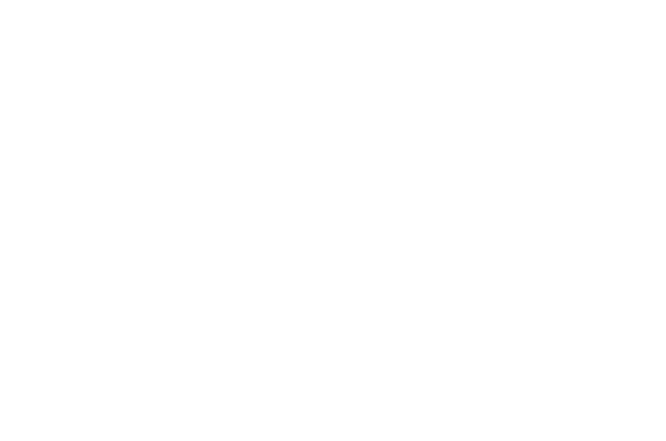
The Storytelling Framework We Use For Founder Content

The Storytelling Framework We Use For Founder Content

Key Issues : Business Storytelling, Founder Marketing, Storytelling For Local Businesses, Brand Storytelling

Reading Time: 11 Minutes

Quick Answer

Most founder content fails because it shares information instead of telling stories.

People remember stories.

They rarely remember facts, features, or company descriptions.

The best founder content follows a simple structure:

Situation → Challenge → Insight → Lesson

This framework helps founders create content that builds trust, creates engagement, and strengthens their personal brand without sounding like they’re trying to sell something.

Why Stories Work Better Than Facts

Let’s compare two posts.

Post A

“We have served customers for 15 years and are committed to excellent service.”

Post B

“A customer walked into our store last week convinced they needed our most expensive option. Twenty minutes later, we recommended something completely different.”

Which one feels more interesting?

The second one.

Not because it’s longer.

Because it’s a story.

Stories create curiosity.

Facts create information.

People engage with curiosity first.

The Biggest Mistake Founders Make

Most founders assume content should explain:

  • What they do
  • What they sell
  • Why they’re better

That’s not wrong.

It’s just incomplete.

People connect with experiences.

Not company descriptions.

When founders only talk about products and services, they sound like advertisements.

When founders share experiences and lessons, they sound human.

What Founder Content Is Actually Selling

Founder content is not selling products.

Founder content is selling confidence.

The audience is trying to answer:

Can I trust this person?

Do they understand my problem?

Do they have real experience?

Are they different from everyone else?

Stories answer those questions naturally.

The Hyclues Storytelling Framework

Every founder story should include four parts.

1. The Situation

What happened?

Create context.

Example:

“A customer came to us frustrated after spending months trying to improve their advertising results.”

2. Challenge

What was the problem?

Create tension.

Example:

“They had tested new creatives, new audiences, and new offers. Nothing seemed to work.”

3. Insight

What did you discover?

Provide value.

Example:

“After reviewing the account, we found that the real issue wasn’t the ads. It was the tracking.”

4. Lesson

What can the audience learn?

Create relevance.

Example:

“Sometimes the most obvious problem isn’t the real problem. Diagnose before you optimize.”

This turns an ordinary business experience into useful content.

Where Founder Stories Come From

Many founders think they don’t have stories.

In reality, they have too many.

The challenge is recognizing them.

Stories exist in:

Customer conversations
Mistakes
Unexpected outcomes
Lessons learned
Team experiences
Industry observations
Behind-the-scenes moments

The best stories are usually hiding inside everyday work.

Story Type 1: Customer Stories

These are often the easiest stories to create.

Example:

“A customer came in looking for one solution and left with something completely different.”

Then explain why.

The story becomes educational.

Not promotional.

Story Type 2: Mistake Stories

Mistakes create credibility.

People trust honesty.

Examples:

A campaign that failed
A bad decision
A lesson learned
Something you would do differently today

Perfect businesses are hard to trust.

Human businesses are easier.

Story Type 3: Industry Myths

These stories challenge assumptions.

Example:

“Most people believe more traffic solves everything. Here’s why that’s often wrong.”

These stories position the founder as an expert.

Story Type 3: Industry Myths

People enjoy seeing what happens behind the curtain.

Examples:

How decisions get made
How products are selected
Team interactions
Daily challenges

Transparency builds trust.

Story Type 5: Customer Lessons

Sometimes customers teach the business something.

These stories feel authentic because they aren’t centered around the founder.

They’re centered around learning.

How To Turn Everyday Events Into Content

Let’s take a simple example.

Event:

A customer asks the same question you’ve heard 50 times.

Most businesses answer it and move on.

A storyteller sees content.

Possible post:

“One question we get almost every day is…”

Then explain:

  • Why people ask it
  • Why it matters
  • What you’ve learned

One interaction becomes valuable content.

The 3 Things Every Founder Story Needs

Relevance

The audience should see themselves in the story.

Tension

Something needs to happen.

No challenge = no story.

Lesson

Every story should teach something.

Without a lesson, it’s just a memory.

One story can become dozens of content assets.

Real-World Example

A founder wanted to create more content but believed they didn’t have anything interesting to say.

We reviewed a few weeks of customer interactions.

Within minutes we found:

  • Common objections
  • Customer misconceptions
  • Surprising requests
  • Lessons learned

Each interaction became a story.

The founder didn’t need more experiences.

They simply needed a framework to recognize them.

Storytelling Checklist

Before publishing a founder story:

✅ Does it start with a real situation?

✅ Is there a challenge?

✅ Is there an insight?

✅ Is there a lesson?

✅ Does it help the audience?

If yes, publish it.

Frequently Asked Questions

Do founder stories need to be dramatic?

No. Most effective stories come from everyday experiences.

How long should founder stories be?

Long enough to communicate the lesson clearly.

Can founder stories be used in ads?

Absolutely. Founder ads often perform well when built around stories rather than promotions.

What if I don’t have interesting stories?

You probably do. Most founders overlook stories because they experience them every day.

Should every founder story mention the business?

Not necessarily. The lesson is usually more important than the business.

What is the purpose of storytelling in marketing?

To create trust, understanding, and connection.

Related Articles

  • How To Build Trust Before Asking For The Sale
  • The Founder Content Framework For Local Businesses
  • Founder Ads vs UGC Ads
  • Customer Stories That Build Trust
  • 25 Founder Content Ideas For Local Businesses

Final Thoughts

Most founder content fails because it focuses on information.

The best founder content focuses on experiences.

Stories help people understand who you are, what you’ve learned, and why they should trust you.

You don’t need extraordinary stories.

You just need to recognize the value hidden inside ordinary moments.

That’s where the best founder content usually comes from.

Book 1:1 Free Audit Call

Syed - Co-founder Hyclues Media

5+ years experienced Lead Generation Expert helping businesses generate quality leads, improve conversions, and scale growth through performance marketing.

Book Free 1:1 Audit Call